
What is an Angle Stop Valve: Complete Guide
Have you ever thought about how a plumber can work on one faucet without turning off water to the whole house? The key is a small but powerful component that many homeowners ignore until they really need it, the what is an angle stop.
In many ways, an angle stop valve is the quiet hero of your plumbing system. This crucial water shut off valve stays hidden behind toilets and beneath sinks, ready to help when leaks appear or repairs are required. These compact valves direct water at a 90-degree angle, which makes them ideal for tight spaces where straight valves won’t fit properly.
In your home, plumbing angle stops act as separate control points for each individual fixture. You don’t have to cut water to the whole house; you can isolate specific fixtures when performing maintenance or dealing with emergencies. Such a straightforward feature helps prevent water damage while making do-it-yourself repairs simpler.
Knowing what is an angle stop valve and how it works will give you the confidence to tackle basic plumbing problems. Installation Parts Supply, along with other major suppliers, offers many styles to fit almost any plumbing requirement. From quarter-turn designs to compression fittings, each type serves specific purposes in residential and commercial buildings.
This guide walks you through the key information you need about these important plumbing components. You’ll discover different valve types, installation techniques, and maintenance tips that can save both time and money.
What is an Angle Stop Valve
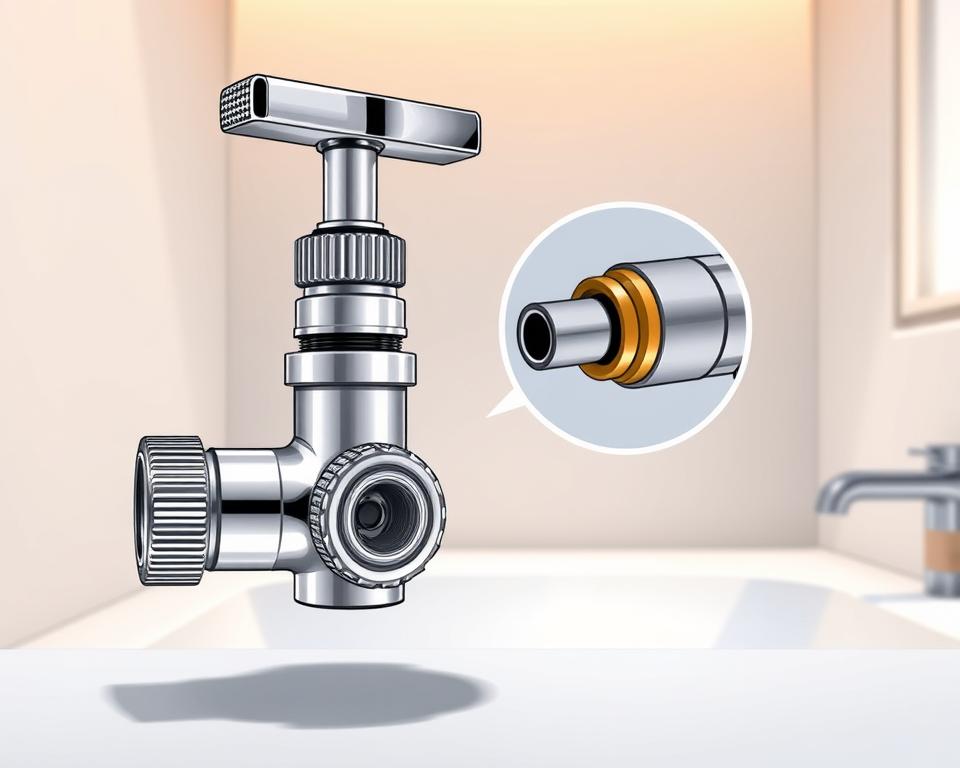
In plumbing, an angle stop is an essential shut-off valve used in home and commercial water systems. They’re called angle stops because of their L-shaped form, allowing water to enter on one side and exit at a 90-degree angle. Understanding what is an angle stop helps homeowners manage their plumbing systems more effectively and handle minor repairs without calling a professional.
Basic Definition and Function
Angle stops are specialized valves that control water flow to individual fixtures like toilets, sinks, and dishwashers. In contrast to main shut-off valves, which manage water for the entire house, an angle valve for sink setups offers precise local control. That means you can work on a leaky faucet or replace a toilet while the rest of the home still has running water.
How Angle Stop Valves Work
The operation of angle stops relies on a simple mechanism. When you turn the handle, an internal component moves to either block or allow water flow. Quarter-turn versions use a ball or disc that turns 90 degrees, whereas multi-turn models use a washer that moves away from the valve seat. This simple design keeps these valves reliable for decades and requires only minimal maintenance.
Main Components of an Angle Stop
Any angle valve for sink or toilet installation consists of a few key parts:
- Body: The primary brass housing that attaches to the pipes
- Handle: The user-controlled handle that you rotate to open or close the valve
- Inlet: The entry point where water comes in from the wall line
- Outlet: The point where supply lines attach and lead to fixtures
- Internal cartridge: The ceramic or brass mechanism that controls flow
Types of Angle Stop Valves
When dealing with angle stops plumbing, choosing the correct valve type can significantly affect your system’s performance. Various types of angle valves provide unique advantages for different applications. Each design serves particular needs, from quick shutoffs to fine flow control.
Quarter-Turn Angle Stop Valves
The quarter turn angle stop opens and closes with a simple 90-degree turn of the handle. This valve uses ceramic disc cartridges that provide smooth operation and last for years. A single quick twist shuts the water off instantly, making this type great for emergency use. These valves work great in modern homes where quick access matters.
Multi-Turn Angle Valves
These multi-turn valves must be rotated several times to reach fully open or fully closed positions. This design allows more precise control over water flow rates. Such gradual control is ideal when you need to carefully fine-tune pressure. These valves are still common and dependable in many older houses.
Compression Fitting Valves
A compression fitting valve connects to pipes using compression nuts and ferrules. You don’t need solder or special tools; tightening the fitting is enough to create a watertight connection. They’re widely used in home plumbing because installation and replacement are straightforward.
Angle Stop Valves with Filters
Some angle stops plumbing systems include built-in mesh filters that trap debris before it reaches fixtures. They protect sensitive appliances, including washing machines and dishwashers, from sediment-related issues. Their integrated design saves space and removes the need for separate filter units.
| Type of Valve | How it Operates | Best Use |
|---|---|---|
| 1/4 Turn | 90-degree rotation | Fast shutoff applications |
| Multi Rotation | Multiple rotations | Fine flow control |
| Compression | Nut-and-ferrule compression | Simple home installation |
| With Built-In Filter | Built-in mesh filter | Sediment protection for fixtures |
Where Angle Stop Valves Are Commonly Used
Angle stop valves act as vital control points throughout a home’s plumbing system. They show up in almost every room with water fixtures, giving you easy shutoff access for repairs and emergencies. From bathrooms to kitchens, each location requires specific valve placement to ensure proper water flow control.
Typically, an under sink valve is installed in pairs under bathroom vanities. The left valve controls hot water while the right manages cold water flow to your faucet. You’ll usually find these valves about 18 inches below the sink edge, joined directly to supply lines. Most residential installations use a 1/2 inch inlet size and 3/8 inch outlet connections for faucet supply lines.
Toilet Shut Off Valve Placement
Each toilet shut off valve is mounted on the wall either behind or beside the toilet bowl. It controls cold water flow into the tank and is generally placed 6 to 8 inches above the floor. Having quick access to this valve helps prevent water damage during toilet repairs or overflow events.
Uses for Kitchen Sink Supply Valves
A kitchen sink supply valve handles higher water demands than bathroom fixtures. Kitchen sink installations usually need two valves under the cabinet to manage hot and cold water. Additional outlet ports on these valves often supply water to dishwashers and filtration systems.
How Bathroom Water Supply Valves Are Applied
Every bathroom water supply valve can support multiple fixtures in addition to sinks. Shower valves manage temperature mixing, and bidet attachments require dedicated angle stops. Water heaters in bathrooms require inlet valves rated for higher temperatures and pressures.
| Fixture Location | Typical Valves | Common Size |
|---|---|---|
| Bath sink | Pair | 1/2″ x 3/8″ |
| WC | One | 1/2 inch x 3/8 inch |
| Kitchen Sink | 2 | 1/2 inch x 3/8 inch |
| Dishwasher connection | One | 1/2″ inlet x 3/8″ outlet |
Angle Stop Materials and Construction
The quality and longevity of your plumbing system depend greatly on the angle stop valve materials you choose. Different materials provide distinct benefits depending on application and budget. By understanding these choices, you can pick durable plumbing fixtures that will serve your home reliably for many years.
A brass angle valve remains the gold standard in residential plumbing. This metal alloy blends zinc and copper, producing a very strong material that resists corrosion even in humid bathrooms. They handle high water pressure well and stay intact through many thousands of on and off operations. Brass also has natural antimicrobial properties that help inhibit bacterial growth inside the valve body.
Copper angle stops deliver comparable durability along with strong heat resistance. Pure copper develops a protective patina over time that shields against corrosion. Many plumbers choose copper for hot water lines because it handles temperature changes better than many plastic alternatives.
| Valve Material | Lifespan | Approximate Cost | Ideal Application |
|---|---|---|---|
| Solid brass | 20–50 years | \$15–\$40 | General use throughout the home |
| Pure copper | about 30 to 50 years | \$20–\$45 | Hot water lines |
| Chrome plated brass | roughly 15 to 30 years | \$10–\$30 | Exposed locations |
| Stainless | approximately 25 to 40 years | \$25-\$60 | Commercial use |
In typical residential installations, 1/2 inch valves are used to connect directly to supply lines. Appliances like dishwashers and ice makers usually rely on smaller 3/8 inch or 1/4 inch valves. You must consider material compatibility—brass works well with copper, while CPVC piping may require specially rated valves to avoid chemical issues.
Benefits of Installing Angle Stops in Plumbing
Installing angle stops plumbing in your home provides practical advantages that simplify and improve water management. These compact yet powerful fixture control valves change how you manage daily plumbing tasks and sudden water problems.
Individual Fixture Control
Each water shut off valve lets you control water flow to specific fixtures without disrupting your entire home’s water supply. Need to fix a leaky faucet in the bathroom? Simply turn the angle stop under that sink while your family continues using water in the kitchen and other areas. Such targeted control means you no longer need to shut down the main supply for small fixes.
Emergency Shut Off Capabilities
In the event of a burst pipe or failed fixture, every second is important. Angle stops give you immediate water shutoff directly at the affected fixture. Rather than scrambling to locate the main shutoff valve in the basement or garage, you can stop water damage quickly by turning the angle stop near the fixture. This quick response can save thousands of dollars in water damage repairs.
How Angle Stops Simplify Maintenance
Routine maintenance is easier when fixture control valves are in place. Replacing toilet components, fitting new faucets, or repairing drips goes much faster—often minutes rather than hours. You won’t need to drain entire water lines or wait for plumbers for basic repairs.
Water Conservation Benefits
By enabling quick responses to leaks and drips, angle stops help cut down on water waste. Thanks to efficient design, pressure drops are minimized, helping maintain strong flow and limiting wasted water through faulty fixtures.
Selecting the Best Angle Stop for Your System
Selecting a suitable angle stop now can help you avoid headaches and high repair bills later. Start by considering the material quality. For long life and durability, brass valves stand out, often lasting decades without serious corrosion. For plumbing valve sizing, carefully measure the water supply line—most homes use 1/2 inch connections, though some fixtures may need 3/8 inch or 3/4 inch.
When selecting angle valve options, consider your particular needs. Quarter-turn valves work great for quick shut-offs during emergencies. Multi-turn valves offer improved flow control, making them perfect for washing machines or dishwashers. If your area has hard water, think about valves that have built-in filters to protect fixtures from mineral deposits.
The ideal angle stop valve suits both your piping and your decor style. Check if you need threaded, soldered, or compression connections before purchasing. Chrome finishes suit modern bathrooms, while brushed nickel or oil-rubbed bronze complement traditional spaces. Well-known brands such as Moen, Delta, and SharkBite supply reliable products with warranties of about 5 to 10 years.
Experts recommend the following factors when choosing an angle stop:
- Type of valve operation you need (quarter-turn or multi-turn)
- Compatibility of connection type with current piping
- Handle design for easy access in tight spaces
- NSF, UPC, or similar certifications to meet plumbing codes
- Price range matching quality expectations
Installation Guide for Angle Stop Valves
Proper angle valve installation requires careful preparation and the right technique to prevent leaks. This plumbing installation guide walks you through installing angle stop valves safely and efficiently. Whether you’re swapping out an old valve or installing a new one, following these steps helps your DIY angle valve project run smoothly.
Tools and Materials Required
Before you begin angle valve installation, make sure you have these essential items ready:
- An adjustable wrench or channel lock pliers
- Pipe thread tape such as Teflon tape
- Bucket to collect any leftover water
- Clean rags or towels
- Pipe cutter for trimming pipe, if required
- A new angle stop valve
Step-by-Step Installation Process
Installing angle stop valves becomes straightforward when you follow these steps:
- Turn off the main water supply to your home
- Drain remaining water from pipes into a bucket
- Take off the old valve if you’re swapping it out
- Check the arrow on your new valve body for flow direction
- Apply about three clockwise wraps of thread tape to the pipe threads
- Screw the valve onto the pipe stub by hand until snug
- Tighten the valve an additional half turn using a wrench
- Attach the supply line to the outlet side of the valve
- Restore main water service and inspect all connections for leaks
Common Errors When Installing Angle Stops
Without proper care, your DIY angle valve project can run into problems. If you install the valve opposite the flow direction arrow, water may not reach the fixture at all. Over-tightening connections strips threads and damages compression fittings. If you mix the wrong connection types or valve sizes, you often get instant leaks. That’s why this plumbing installation guide recommends double-checking sizes and types before purchasing.
Angle Stop Maintenance and Troubleshooting
Good angle valve maintenance helps your plumbing system run smoothly and prevents expensive water damage. Regular inspections plus timely repairs save money and shield your home from unexpected leaks. Understanding when troubleshooting angle stop valves becomes necessary helps you catch problems before they escalate.
Simple Maintenance Tips
Simple plumbing maintenance tasks keep angle valves working properly for years. Turn each valve on and off every three months to prevent mineral buildup. During inspections, check for any moisture or drips on or around the valve body. Apply a bit of plumber’s grease to stiff handles to keep them moving smoothly. Gently clean off visible corrosion using a soft cloth and a mild cleaning solution.
Signs of a Failing Angle Valve
Keep an eye out for these warning signs that your valve may need replacement:
- Water leaks or drips around the valve body or handle
- Ongoing difficulty turning the handle even after lubrication
- Brass valves showing green or white crusty scale
- Water stains on walls or cabinets near the valve
- Lower than normal water flow with the valve opened all the way
When to Replace Your Angle Stop
Knowing when to replace a valve helps you avoid emergency situations. You should replace your angle stop if leaks continue after tightening or if the handle refuses to turn. Quality brass valves usually last around 15–20 years, while plastic versions might need replacement after roughly 5–10 years.
| Age of Valve | Priority Level | Recommended Action |
|---|---|---|
| Up to 5 years | Low priority | Just inspect annually |
| 5-10 years | Moderate priority | Check every 6 months |
| 10+ years | High | Plan preventive replacement |
Where to Purchase Quality Angle Stop Valves
Finding the right place to buy angle stop valve products makes all the difference in your plumbing project success. You’ll find various trusted angle valve suppliers with wide selections, competitive prices, and expert advice to guide your choice.
Installation Parts Supply (IPS) is a standout source for high-quality plumbing fixtures. Their inventory ranges from heavy-duty ball valves on main lines to compact angle stops built for tight spaces under sinks. Professional plumbers and DIY enthusiasts trust their wide selection of premium shut-off valves. They also back their products with excellent customer service and technical support.
As you look for angle valve suppliers, consider these reliable choices:
- DK Hardware focuses on water shut-off valves with 90-degree designs that work well in bathroom and kitchen installs
- VPEXCO offers both industrial-grade and residential angle valves for many applications
- Jaquar offers premium angle stops that are backed with 10-year warranties
- Ferguson Plumbing Supply offers professional-grade valves with nationwide availability
Before purchasing any angle stop valve products, always verify that they’re compatible with your existing plumbing system. Check inlet and outlet sizes, connection style, and pressure ratings. You can usually identify quality fixtures by their detailed specifications and solid warranty support from the manufacturer. Look for suppliers offering technical support to guide your selection based on specific application requirements. Many reputable dealers also offer online resources, installation instructions, and customer service teams ready to answer selection questions.
Wrapping Up: Angle Stop Valves
In this angle stop valve guide, we’ve covered the main things you should know about these vital plumbing parts. Whether you’re dealing with simple quarter-turn valves or advanced filtered designs, these water control valves are vital in today’s homes. Their job is to regulate flow, prevent expensive leaks, and support smooth plumbing performance over time.
Fixture shut off valves provide complete control over individual water sources around your home. If you must fix a leaky faucet under the bath sink or swap a toilet’s fill valve, these valves help keep the job simple and safe. If angle stops aren’t present, even minor repairs can force you to shut off water for the entire home. This degree of control protects your home against water damage and makes routine maintenance much easier.
The process of picking the right plumbing solutions begins by identifying your needs and opting for durable materials. Brands like Installation Parts Supply offer angle stop valves built with precision engineering and durable construction. The right valve combines reliable performance with aesthetic appeal, ensuring even functional components enhance your home’s overall design.
When you purchase quality water control valves and maintain them, your plumbing system becomes more efficient and dependable. Regular inspections, prompt replacements, and proper installation techniques keep fixture shut off valves working at their best. Armed with this angle stop valve guide, you’re ready to make informed choices about your home’s plumbing needs well into the future.
Angle Stop Valve FAQ
What is an angle stop valve and how does it differ from regular valves?
An angle stop valve is a particular kind of shut-off valve in which water enters via an inlet and exits at a 90-degree angle through an outlet. Unlike straight valves that keep water in a straight line, angle stops are made for tight spaces and change flow direction while still offering individual fixture control. You’ll usually see them beneath sinks and behind toilets, where they allow you to shut off water to just that fixture without shutting down the entire house.
What’s the difference between a quarter turn angle stop and a multi-turn valve?
Quarter turn angle stops work with a simple 90-degree handle turn, providing fast shutoff and using ceramic disc cartridges for smooth, long-lasting operation. Multi-turn angle valves require several twists of the handle, allowing finer control over water flow – perfect when you need gradual water adjustment rather than just on/off functionality.
Where are angle stops typically installed in plumbing systems?
You’ll find angle stops in many locations throughout the home wherever a fixture has its own water supply line. You’ll see them under bathroom sinks controlling hot and cold water, behind toilets managing tank refills, under kitchen sinks, and attached to dishwashers, water filters, and water heaters. In every location, these valves provide independent shutoff without affecting the rest of the home’s water.
What size angle stop valve do I need for my bathroom or kitchen?
In residential plumbing, the most common size is the 1/2 inch angle stop valve, which fits standard supply lines and most bathroom and kitchen fixtures. Some particular applications, like certain appliances, may use 3/8 inch or 1/4 inch valves. Always check your existing pipe size and fixture requirements before purchasing to ensure proper fit.
Are copper angle stop valves better than brass ones?
Both materials offer excellent durability, but brass is typically the preferred choice for angle stops. Brass angle valves provide exceptional strength, corrosion resistance, and can withstand high water pressure and repeated use over many years. Copper angle stops are reliable too, but brass often outlasts them in typical homes, especially where hard water is present.
How do compression fittings work on angle stop valves?
Compression fitting valves rely on a compression nut and ferrule that form a watertight seal without solder or threads. As you tighten the nut on a compression angle stop, the ferrule compresses against the pipe and forms a secure seal. That makes compression-style angle stops great for DIY projects or any job where using a torch isn’t practical.
What’s the proper way to install an angle valve for a sink?
Proper sink angle valve installation starts by turning off the main water, then attaching the valve’s inlet to the wall supply line using the correct type of fitting (threaded, compression, or soldered). The valve outlet is then connected to a flexible supply line that goes up to the faucet. Always confirm the flow direction arrow on the valve body and apply thread tape or pipe joint compound for threaded connections.
When is it time to replace my toilet shut off valve?
With decent maintenance, a quality toilet shut off valve often lasts 10–15 years or more. Replace it when you notice persistent leaking, difficulty turning the handle, visible corrosion, or during major bathroom renovations. Regular testing every few months by turning the valve on and off helps maintain smooth operation and identifies problems early.
Can I install angle stops myself or should I hire a plumber?
Basic angle stop installations, especially compression fitting types, can be DIY projects if you’re comfortable with simple plumbing tasks. However, professional installation is recommended for soldered connections, complex systems, or if you’re unsure about proper techniques. Incorrect installation can lead to leaks and water damage, so when in doubt, consult a professional.
Why do under sink valves fail?
Under sink valves most often fail because of mineral buildup from hard water, worn internal seals, corrosion from age or poor water quality, or damage caused by over-tightening. Valves built from poor-quality materials are more prone to failing prematurely. Regular maintenance and choosing quality brass valves helps prevent these issues.
How do I maintain my bathroom water supply valve?
Maintain your bathroom water supply valve by exercising it quarterly (turning it on and off to prevent seizing), checking for leaks or corrosion during regular inspections, and cleaning any visible mineral deposits. If the handle feels stiff, add a small amount of valve lubricant to the stem. Avoid forcing a valve that’s stuck, as that can break internal components and create leaks.
Angle stop vs. regular water shut off valve – what’s the difference?
While both types control water flow, an angle stop is designed to change the flow direction by 90 degrees and is used for fixtures in tight spaces. Regular shut off valves are often straight-through types used on main lines or branch lines. In most cases, angle stops are compact and intended for under-sink or behind-toilet use.
What are good sources for kitchen sink supply valves?
You can find a wide selection of kitchen sink supply valves at Installation Parts Supply, including premium brass angle stops with multiple connection options. Other reliable suppliers include DK Hardware and VPEXCO, especially if you need industrial-grade options. Look for suppliers offering technical support, warranties, and genuine brand-name products like Jaquar for long-lasting performance.