
A quarter of school administrators links clearly present safety officers as helping with preventing incidents. This clearly shows the role of visibility in safeguarding students and staff. This article delves into reliable school security in Los Angeles, focusing on community-based solutions. David Shield Security understands the unique needs of Los Angeles schools, especially Jewish institutions. They aim to provide protection that reflects cultural values while ensuring safety. To learn more, visit davidshieldsecurity.com.
School Security In Santa Monica
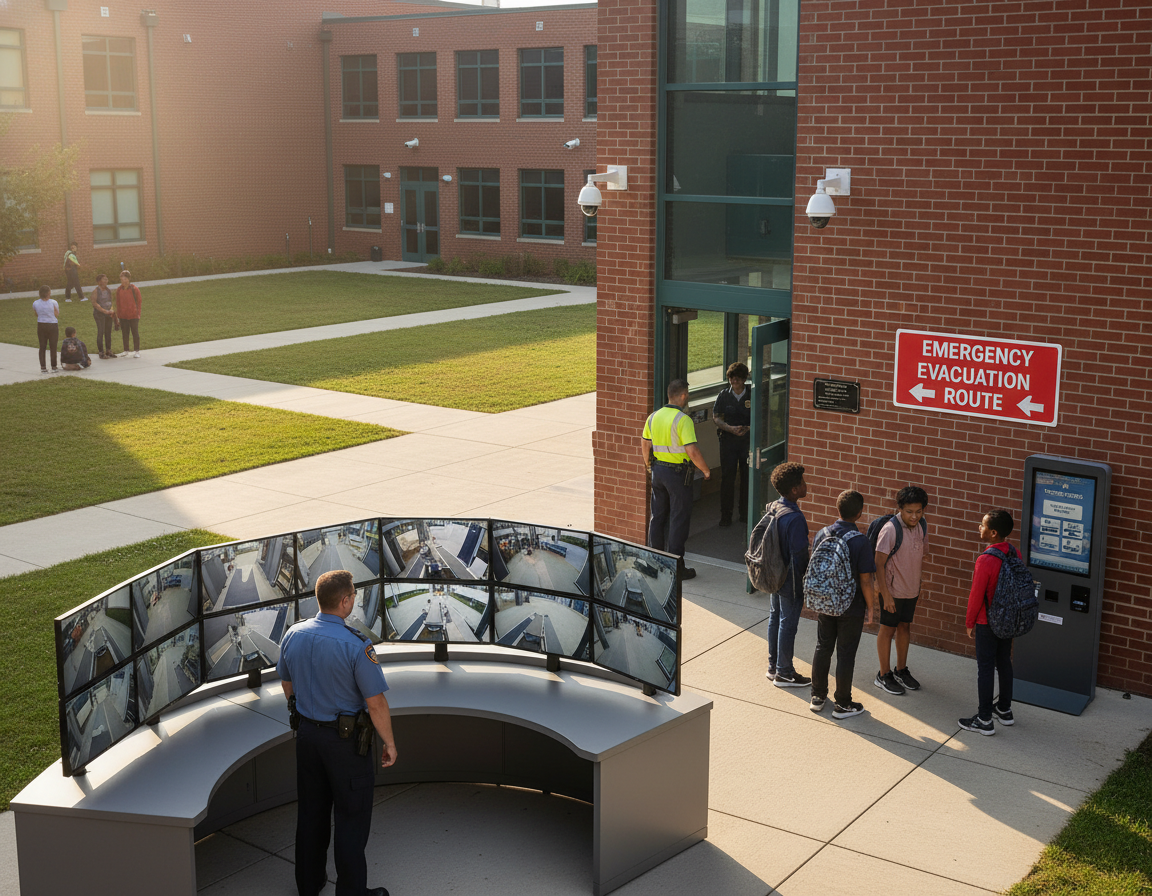
The main goals are clear: look after students, teachers, and families; ensure uninterrupted learning; and pair visible security with discreet measures. Experienced campus officers act as both prevention-focused personnel and supportive members of the school environment. Technology, like linked surveillance and detection tools, accelerates reviews, enhancing response times and information sharing.
Operational realities are important. Using visitor management and online tools depends on reliable permission controls. Such controls are vital to safeguard sensitive information from unauthorized access, including bots.
Across this guide, we’ll explore today’s risks, preventive actions, and customized protection strategies for Los Angeles schools. We’ll also discuss local partnership programs and actionable steps for school leaders to improve safety right away.
Understanding The Current State Of School Security In Los Angeles
Los Angeles schools face a wide mix of safety concerns, from routine disturbances to targeted threats. Staff and administrators must address these challenges while respecting the varied expectations of their communities. They start by identifying area-specific concerns and putting safeguards in place that keep students safer while maintaining a welcoming environment.
Current Threats And Challenges Facing Los Angeles Schools
Aggression, property crime, destructive behavior, and interruptions are frequent, impacting learning and resources. Campus safety officers and campus monitors serve as a noticeable preventive presence and respond quickly to incidents. Cyber threats, such as unapproved logins to school portals, highlight the need for a holistic approach to security.
Community Context: Urban Crime, Targeted Threats To Faith-Based And Cultural Institutions
Los Angeles’ high-density and diverse character means crime can vary greatly by location. Religious and cultural schools may experience specific risks that need low-profile, culturally sensitive protection. Institutions working with these communities benefit from custom plans that respect their traditions while maintaining reliable safety coverage.
Policy And District Policies Affecting Campus Safety In California
California regulations and school district rules set standards for visitor management, access control, emergency drills, and training. Administrators must match their plans with these rules, especially rules about armed personnel, student privacy, and drills. Clear documentation is important to staying aligned with policy and improving incident response.
| Security Area | Frequent Risks | Practical Measures |
|---|---|---|
| Campus grounds | Vandalism, theft, unauthorized entry | Controlled access points, trained patrols, visitor check-in |
| Online systems | Compromised accounts, misuse of proxy networks | Protected authentication, supervised systems, staff awareness training |
| Threats aimed at cultural communities | Harassment, organized threats to cultural centers | Discreet security presence, liaison with community leaders, tailored school protection services |
| Policy compliance | Policy gaps, unclear roles | Alignment with district protocols, legal review, documented emergency plans |
| Investigations & response | Delayed case resolution, scattered information | Integrated security systems, coordinated responders, scheduled audits |
School leaders should assess threat profiles, community expectations, and district constraints when selecting security solutions. A well-rounded strategy blends visible presence, technology, and clear safety protocols. That combination limits interruptions and boosts confidence among students, staff, and families.
Forward-Looking Security Measures For Schools And Campuses
Strong school protection calls for a combination of people, technology, and practice. Build from clear goals and regular security assessments to guide your efforts. Campuses that prepare early can reduce response times and reduce uncertainty during emergencies.
Clearly Present Security Presence: Trained Guards And Patrol Strategies
Trained security officers serve as deterrents and first responders. Establish roving patrols, stationed guards, and scheduled student interactions to build familiarity and trust. Officers should be trained in conflict resolution, emergency response, and positive interaction to improve both safety and school climate.
Modern Tools Integration: Cameras, Sensors, And Unified Communications To Speed Investigations
Current surveillance systems, analytics, and secure storage strengthen evidence collection. Detection sensors and live alerts help spot unusual activity quickly. Unified communications platforms, like those from Motorola Solutions, support the goal that critical information reaches the right people promptly, greatly shortening investigation times.
Access Control And Visitor Management Systems For Schools
Implement ID checks, digital visitor logs, and screened access at entry points. Visitor management systems create audit trails that aid law enforcement and administrators post-incident. Blend electronic controls with physical barriers and staff training for optimal results.
Incident Response Planning And Drills Tailored To School Settings
Prepare specific plans for active assailant events, medical crises, fires, and natural disasters. Conduct regular drills with security staff, administrators, and local law enforcement. Create redundant communications and set clear roles to help ensure everyone knows their part in critical moments.
Integration and training are key to a cohesive approach. When district teams or LA security companies provide combined personnel and technology training, campus safety gets stronger. Regularly reviewing and updating security measures keeps plans stay useful.
Educational Security In Los Angeles
Schools and cultural education centers across Los Angeles benefit from tailored security plans. These security programs must match the specific concerns of each neighborhood and community. They must account for cultural practices while ensuring the safety of students and staff. A complete security assessment shapes the selection of technology, staff, and community engagement strategies.
Tailored Solutions For Los Angeles Educational Institutions And Cultural Communities
Strong campus protection programs are built on a detailed risk assessment. Security teams review the campus layout, commute routes, and event calendars. This supports the creation of plans that cater to the specific needs of each school population.
Programs for faith-based schools and cultural centers must balance visible deterrence with community sensitivity. DSS offers specialized services for Los Angeles institutions. Their approach emphasizes building trust and respect through their outreach and presence.
Role Of Specialized School Security Companies In LA: Services, Armed Vs. Unarmed Options, 24/7 Coverage
School security companies in LA provide a broad set of services. These include armed and unarmed officers, 24/7 monitoring, campus patrols, visitor management, and emergency response coordination. Providers such as California Panther Security stress the importance of trained officers who build good rapport with students and staff.
Choosing armed personnel requires legal review, district policy checks, and community input. Many school communities favor unarmed officers, supported by rapid law enforcement response. Schools with stronger threat profiles may choose armed protection after detailed assessment and formal approval.
Financial Planning And Scalable Programs For Schools Of Different Sizes
Cost-conscious school safety plans should include tiered options. That helps small private schools, larger districts, and cultural learning centers to choose appropriate support. Campuses may blend part-time guards, volunteer parent patrols, and targeted technology to make budgets go further.
Small trial programs help measure effectiveness during peak times, like arrival, dismissal, and special events. Ongoing risk assessments help ensure spending is focused on the most effective risk reduction measures.
| Plan Type | Common Services | Budget Factors | Most Suitable For |
|---|---|---|---|
| Basic Tier | Part-time unarmed guards, visitor check-in, safety signage | Guard hourly costs, limited technology | Small schools, afterschool programs |
| Middle Tier | Full-time unarmed officers, cameras, access control, parent patrols | Staffing, camera installation, software fees | Mid-sized schools, charter campuses |
| High-Coverage Program | Mixed security staffing, continuous monitoring, formal emergency planning | Armed personnel licensing, monitoring fees, staff training | Large campuses, high-risk locations |
| Specialized Programs | Event protection, sensitivity training, liaison support | Service complexity, specialized preparation | Religious schools and cultural centers |
First create a clear scope, test a short pilot, and support open communication with parents and staff. Clear cost planning and the use of Los Angeles school security solutions allow school communities to pick the right mix of services. That helps ensure programs grow as requirements change.
Community-Oriented Approaches And Student Safety Initiatives
Effective school protection relies on partnerships. Administrators, parents, and the Los Angeles Police Department come together to review plans and review incidents. This shared approach encourages confidence, supports transparency, and enhances community-oriented school security.
Collaborative models close coordination gaps and define duties in emergencies. Combined exercises and mutual incident reporting align police procedures with district protocols. Operational partners like California Panther Security act as operational partners, strengthening local ties and supporting student safety.
Training for staff and security personnel emphasizes de-escalation, adolescent psychology, and cultural sensitivity. Campus officers support students with everyday needs while maintaining campus security. Ongoing refresher training help ensure safety protocols stay useful and compassionate.
Youth-oriented safety initiatives encourage reporting and awareness. Confidential reporting tools, anti-bullying campaigns, and digital safety lessons equip students. Student support and mental health resources offer alternatives to punitive responses, supporting early intervention.
Campus safety reviews guide continuous improvement. Regular inspections, incident reviews, and technology upgrades improve patrol patterns and system placement. Integrated communication platforms and analytics make investigations faster, improving school security.
Open communication with families makes safety measures understandable and accountable. Regular briefings explain safety protocols and privacy protections. Community feedback into budgeting and program reviews supports the goal that school security matches community expectations.
Closing Summary
Safeguarding school communities across Los Angeles calls for a well-rounded, community-focused strategy. Educational security across Los Angeles is strengthened by combining trained personnel, cutting-edge technology, and clear policies. It also depends on active collaboration with families and law enforcement. This approach keeps schools focused on education.
David Shield Security delivers customized, respectful security solutions for educational and cultural institutions in the area. Their work emphasizes school protection services and Los Angeles school security solutions. These protective measures respect privacy while strengthening visibility into campus conditions and accelerating incident reviews.
School leaders should begin with a thorough security assessment. After that, they can emphasize low-cost, high-impact measures like visitor management, visible patrols, and emergency planning. Pairing useful tools with regular preparation is essential for improving school security. This supports safe, welcoming environments for students.
Security is a dynamic field that requires continuous improvement. Regular audits, staff development, and community engagement are essential for maintaining effective security programs. By regularly reviewing and partnering, Los Angeles schools can improve school protection services. This ensures safer learning environments for all students. To request more details or a consultation, visit davidshieldsecurity.com.
Related: Integrating with a Private Security Company In Los Angeles